
Push Pull Workout Plan: A Comprehensive Guide
Discover a highly effective training split maximizing muscle growth and recovery; this guide details a structured approach for optimal fitness gains․
What is a Push Pull Split?
The Push Pull Split is a strength training methodology that categorizes exercises based on the primary muscle movements involved․ “Push” days focus on movements where you push weight away from your body – think chest, shoulders, and triceps․ These exercises include bench presses, overhead presses, and triceps extensions․
Conversely, “Pull” days concentrate on movements where you pull weight towards your body – targeting back and biceps․ Examples are pull-ups, rows, and bicep curls․ This split allows for focused muscle group training, promoting greater recovery between sessions․
Legs are often incorporated as a third dedicated day, or rotated within the split․ This systematic approach ensures each muscle group receives adequate attention and rest, leading to enhanced strength and hypertrophy․ It’s a popular choice for intermediate to advanced lifters․
Benefits of a Push Pull Workout Routine
Implementing a Push Pull Split offers numerous advantages for fitness enthusiasts․ Firstly, it allows for greater training volume per muscle group, stimulating more significant growth․ Secondly, it optimizes recovery; by grouping similar movements, you allow specific muscles to rest while working others․
This split also enhances workout efficiency, reducing overall gym time․ Focusing on ‘pushing’ or ‘pulling’ movements streamlines your session․ Furthermore, it’s highly adaptable to various fitness levels – beginners can start with fewer sets and exercises, while advanced lifters can increase intensity․
Finally, the structure promotes better muscle balance, preventing imbalances that can lead to injury․ It’s a sustainable and effective method for long-term strength and physique development․
Understanding the Movements
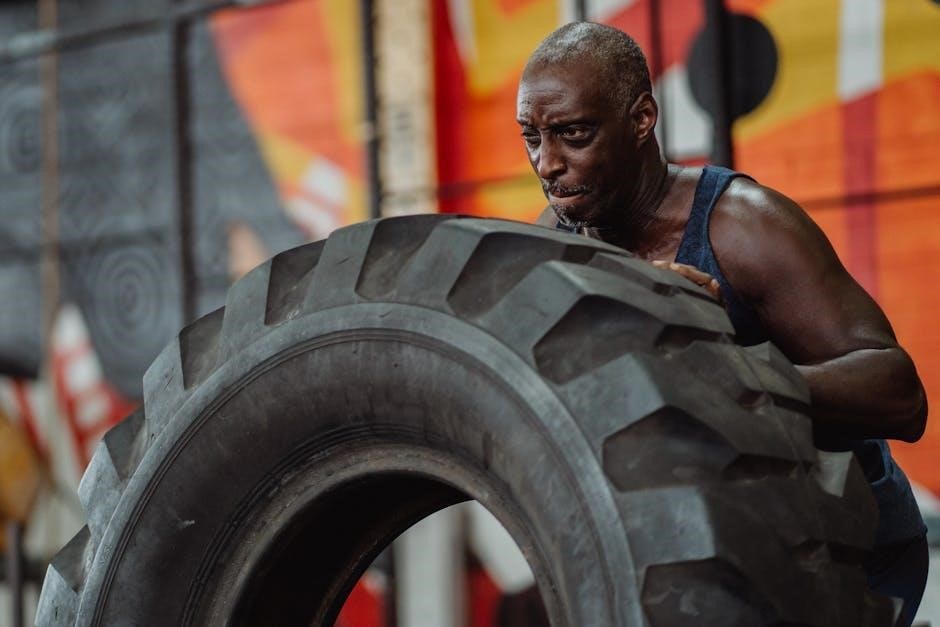
Categorizing exercises into ‘push’ and ‘pull’ actions simplifies training; this approach focuses on movement patterns, not just individual muscle isolation․
Push Day: Targeting Chest, Shoulders & Triceps
Push day concentrates on movements that involve pushing weight away from the body․ This primarily engages the muscles of the chest, shoulders, and triceps, creating a powerful upper-body focus․ Effective chest exercises include bench presses – both flat, incline, and decline – and dumbbell flyes, which stretch and contract the pectoral muscles․
Shoulder development is crucial for overall upper body strength and aesthetics; overhead presses (barbell or dumbbell) and lateral raises are excellent choices․ Finally, triceps – often overlooked – are vital for arm definition․ Close-grip bench presses, triceps pushdowns, and overhead triceps extensions effectively target these muscles․ Remember to prioritize proper form to maximize results and minimize injury risk during these compound and isolation exercises․
Key Exercises for Push Day
Essential push day exercises include the Barbell Bench Press (3 sets of 6-8 reps) for overall chest development, followed by Incline Dumbbell Press (3 sets of 8-12 reps) to target the upper chest․ Don’t forget Dumbbell Flyes (3 sets of 10-15 reps) for chest stretch and isolation․
For shoulders, incorporate Overhead Press (3 sets of 6-8 reps) and Lateral Raises (3 sets of 12-15 reps)․ To finish, focus on triceps with Close-Grip Bench Press (3 sets of 8-12 reps) and Triceps Pushdowns (3 sets of 10-15 reps)․ These exercises, performed with controlled movements and proper form, will build strength and muscle mass in your pushing muscles․ Adjust weight based on your fitness level․
Pull Day: Targeting Back & Biceps
Focus on building a strong back and biceps with these key exercises․ Begin with Pull-Ups (3 sets to failure) – an excellent compound movement․ Supplement with Barbell Rows (3 sets of 6-8 reps) for overall back thickness, and Seated Cable Rows (3 sets of 8-12 reps) to target the mid-back․
Don’t neglect the lats with Lat Pulldowns (3 sets of 8-12 reps)․ For biceps, include Barbell Curls (3 sets of 8-12 reps) and Hammer Curls (3 sets of 10-15 reps) to work different muscle fibers․ Remember to maintain proper form throughout each exercise to maximize effectiveness and prevent injury․ Prioritize controlled movements over lifting heavy weight․
Essential Exercises for Pull Day

Maximize your back and bicep development with these crucial movements․ Pull-ups (3 sets, aim for max reps) build upper back strength․ Bent-over Rows (3 sets of 8-12 reps) target back thickness, emphasizing a strong core․ Lat Pulldowns (3 sets of 10-15 reps) are a great alternative if pull-ups are challenging․
For biceps, Barbell Curls (3 sets of 8-12 reps) are a classic for overall mass․ Dumbbell Hammer Curls (3 sets of 10-15 reps each arm) hit the brachialis and forearms․ Concentration Curls (3 sets of 12-15 reps) provide peak contraction․ Focus on controlled negatives and full range of motion for optimal results․

Leg Day: The Foundation
Strong legs are vital for overall athleticism and power; this section focuses on building lower body strength and developing substantial muscle mass․
Leg Day Exercises: Quads, Hamstrings & Calves
Targeting all major leg muscle groups is crucial for balanced development․ For quads, incorporate barbell squats – the king of leg exercises – alongside leg presses and lunges․ These build size and strength effectively․
Don’t neglect the hamstrings! Romanian deadlifts (RDLs) and hamstring curls are excellent choices for isolating and strengthening this often-underworked muscle group․ A strong posterior chain is vital for athletic performance and injury prevention․
Finally, dedicate time to calf development․ Standing and seated calf raises are fundamental for building well-rounded legs․ Varying foot position can target different parts of the calf muscle․ Remember to prioritize proper form throughout each exercise to maximize results and minimize risk of injury․

Sample Push Pull Workout Plan (3 Days/Week)
Here’s a practical, three-day split; it balances training volume with adequate recovery, promoting consistent progress and preventing overtraining for lasting results․
Monday: Push Day ⎯ Detailed Routine
Begin your week focusing on pushing movements! Start with Barbell Bench Press: 3 sets of 6-8 reps, emphasizing controlled descent and explosive ascent․ Follow with Incline Dumbbell Press: 3 sets of 8-12 reps, targeting the upper chest․ Next, perform Overhead Press (Barbell or Dumbbell): 3 sets of 6-8 reps, maintaining a stable core․
Incorporate Dumbbell Lateral Raises: 3 sets of 12-15 reps, for shoulder width․ Then, add Triceps Pushdowns (cable): 3 sets of 10-15 reps, focusing on full extension․ Finish with Close-Grip Bench Press: 3 sets of 8-12 reps, concentrating on triceps activation․ Remember to rest 60-90 seconds between sets․ Prioritize proper form over lifting heavy weight to maximize effectiveness and minimize injury risk․ Hydrate throughout your workout!
Tuesday: Rest & Recovery
Tuesday is dedicated to crucial rest and recovery, allowing your muscles to repair and rebuild after Monday’s intense push workout․ Active recovery is encouraged – light activities like walking, yoga, or swimming can improve blood flow without stressing muscles․ Prioritize sleep, aiming for 7-9 hours to optimize hormone release essential for muscle recovery․
Focus on nutrition; consume a balanced diet rich in protein to aid muscle repair, and complex carbohydrates for energy replenishment․ Hydration is key – drink plenty of water throughout the day․ Avoid strenuous activity and listen to your body․ Stretching can improve flexibility and reduce muscle soreness․ This day isn’t about inactivity, but intelligent recovery for continued progress․ Embrace the rest!
Wednesday: Pull Day ⎯ Detailed Routine
Wednesday focuses on your “pull” muscles – back and biceps․ Begin with Pull-ups (3 sets of as many reps as possible)․ Follow with Barbell Rows (3 sets of 8-12 reps), concentrating on controlled movements․ Next, perform Seated Cable Rows (3 sets of 10-15 reps), squeezing your shoulder blades together․
For biceps, start with Barbell Curls (3 sets of 8-12 reps), maintaining strict form․ Then, do Hammer Curls (3 sets of 10-15 reps) to target different biceps fibers․ Finish with Concentration Curls (3 sets of 12-15 reps per arm) for peak contraction․ Rest 60-90 seconds between sets․ Prioritize proper form over lifting heavy weight to prevent injury and maximize muscle engagement․
Thursday: Rest & Recovery
Thursday is dedicated to active recovery and allowing your muscles to repair and rebuild after Wednesday’s intense pull workout․ Avoid strenuous activity; instead, focus on low-impact exercises like walking, yoga, or light swimming for 30-45 minutes․
Prioritize sleep – aim for 7-9 hours to optimize muscle protein synthesis․ Nutrition is crucial; continue consuming adequate protein and carbohydrates to replenish glycogen stores․ Hydration is also key; drink plenty of water throughout the day․ Consider foam rolling or stretching to improve flexibility and reduce muscle soreness․ This day isn’t about doing nothing, but about facilitating recovery for Friday’s leg day․
Friday: Leg Day ⎯ Detailed Routine
Friday focuses on building lower body strength and power․ Begin with Barbell Squats (3 sets of 6-8 reps), followed by Romanian Deadlifts (3 sets of 8-12 reps) to target hamstrings and glutes․
Next, incorporate Leg Press (3 sets of 10-15 reps) and Leg Extensions (3 sets of 12-15 reps) for quad isolation․ Don’t forget Hamstring Curls (3 sets of 12-15 reps)․ Finish with Calf Raises (4 sets of 15-20 reps) – both seated and standing variations․ Rest for 60-90 seconds between sets․ Prioritize proper form to prevent injuries․ This routine is demanding, so listen to your body and adjust weight accordingly․
Saturday & Sunday: Active Recovery/Rest
Weekend days are crucial for recovery and preventing overtraining․ Saturday should involve active recovery – light activities like walking, swimming, or cycling for 30-45 minutes․ This promotes blood flow and reduces muscle soreness without stressing the body․
Sunday is dedicated to complete rest․ Allow your muscles to fully repair and rebuild․ Prioritize sleep (7-9 hours) and proper nutrition․ Gentle stretching or foam rolling can also aid recovery․ Avoid intense exercise․ This period of rest is just as important as the workouts themselves for achieving long-term progress and avoiding plateaus․ Listen to your body’s signals and adjust accordingly․

Progression & Overload
Consistent progress demands continually challenging your muscles; strategically increasing weight, reps, or sets is vital for sustained growth and strength gains․
Increasing Weight & Reps
Gradual weight increases are fundamental to progressive overload․ Aim to add a small increment – perhaps 2․5lbs or 5lbs – each workout if you successfully completed all prescribed reps with good form․ Don’t prioritize ego lifting; maintaining proper technique is paramount to prevent injury and maximize muscle activation․
If adding weight proves too challenging, focus on increasing the number of repetitions within your target rep range․ For example, if your plan calls for 8-12 reps, and you consistently achieve 12 with a given weight, it’s time to increase the load․
Tracking your workouts is crucial․ Note the weight lifted, reps completed, and how you felt during each set․ This data allows you to objectively assess your progress and make informed decisions about future workouts․ Remember, small, consistent improvements accumulate over time, leading to significant results․
Adjusting Sets & Rest Times
Manipulating sets and rest periods offers another layer of progressive overload․ Initially, adhering to the recommended set volume (typically 3-4 sets per exercise) is advisable․ As you adapt, consider incrementally increasing the number of sets, but avoid overtraining․
Rest times significantly impact recovery and performance․ Shorter rest periods (60-90 seconds) increase metabolic stress, promoting hypertrophy, while longer rests (2-3 minutes) allow for greater strength gains․
Experiment to find what works best for you․ If you’re prioritizing strength, lean towards longer rests․ For muscle endurance, shorter rests are more effective․ Listen to your body; if you feel consistently fatigued, extend your rest intervals․ Careful adjustment of these variables can unlock continued progress․

Nutrition for Optimal Results
Fueling your body correctly is paramount; strategic nutrition enhances recovery, maximizes muscle protein synthesis, and supports the intensity of your training․
Protein Intake for Muscle Recovery
Protein is the cornerstone of muscle repair and growth, especially crucial when following a demanding push pull workout plan․ Aim for approximately 0․8 to 1 gram of protein per pound of body weight daily to adequately support muscle protein synthesis․
Distribute your protein intake evenly throughout the day, consuming roughly 20-40 grams per meal․ Prioritize complete protein sources like lean meats (chicken, turkey, beef), fish, eggs, dairy, and plant-based options such as quinoa and legumes․
Post-workout nutrition is particularly important; consuming a protein-rich meal or shake within an hour after training helps replenish amino acids and kickstart the recovery process․ Consider supplementing with whey protein or casein protein to meet your daily requirements efficiently․
Carbohydrates for Energy
Carbohydrates are your primary fuel source, vital for powering through intense push pull workouts and replenishing glycogen stores depleted during exercise․ Prioritize complex carbohydrates like whole grains (brown rice, oats, quinoa), sweet potatoes, and fruits over simple sugars․
Timing your carbohydrate intake strategically can optimize performance and recovery․ Consume a carbohydrate-rich meal 2-3 hours before training to provide sustained energy․ Following your workout, replenish glycogen stores with a combination of protein and carbohydrates․
Adjust your carbohydrate intake based on your activity level and individual needs․ Generally, aim for 2-3 grams of carbohydrates per pound of body weight, adjusting based on your training intensity and goals․ Don’t underestimate their role in maximizing results!

Important Considerations & Safety
Prioritize safety with proper form and listen to your body; consistent warm-ups and cool-downs are essential for injury prevention and long-term success․
Warm-up & Cool-down Routines
Dynamic stretching is crucial before each workout, preparing muscles for exertion․ Include arm circles, leg swings, torso twists, and light cardio like jumping jacks for five to ten minutes․ A proper warm-up increases blood flow, enhances flexibility, and reduces injury risk․
Following your session, dedicate time to cool-down exercises․ Static stretching – holding each stretch for 20-30 seconds – helps improve flexibility and reduce muscle soreness․ Focus on the muscle groups worked during that specific day․
Examples include chest stretches after push day, lat stretches after pull day, and hamstring stretches after leg day․ Incorporating foam rolling can further aid recovery by releasing muscle tension․ Remember, consistent warm-up and cool-down routines are non-negotiable for a safe and effective workout experience․
Proper Form & Injury Prevention
Prioritizing correct form over lifting heavy weight is paramount․ Incorrect technique significantly increases the risk of strains, sprains, and more serious injuries․ Watch videos, use mirrors, or consider working with a qualified trainer to learn proper execution for each exercise․
Engage your core throughout every movement to maintain stability and protect your spine․ Control the weight – avoid using momentum to swing or jerk it․ Listen to your body; stop immediately if you feel sharp pain․
Gradual progression is key․ Don’t increase weight or intensity too quickly․ Adequate rest and recovery are also vital for injury prevention․ Ignoring these principles can derail your progress and lead to setbacks․ Safe training ensures long-term gains and enjoyment․